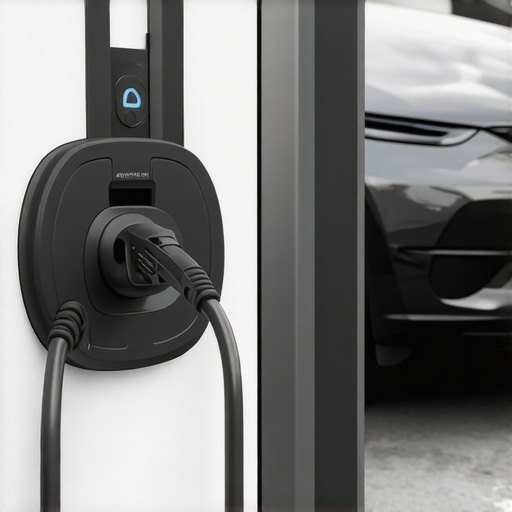

3 Fixes for 2026 EV Charger ‘Incompatible Power’ Errors
I vividly remember the frustrating moment when my brand-new EV charger refused to work, flashing an error message that I didn’t fully understand. After countless resets and a deep dive into troubleshooting forums, I realized that the culprit was a common yet sneaky problem: incompatible power issues stemming from my home’s electrical setup. That lightbulb moment was both a relief and a challenge—I knew I wasn’t alone, but I also didn’t want to fall for quick fixes that wouldn’t actually solve the root cause.
Why Your Home’s Power System Might Be Giving You Trouble
Over the last few years, I’ve learned that many homeowners face this exact dilemma as the 2026 EV standards tighten. The transition to newer, smarter panels and stricter code compliance means that what worked before might now unintentionally create conflicts with EV chargers. If your charger isn’t communicating properly or displays compatibility errors, it can be a sign that your home’s power system needs a closer look. The hard truth is that many installations overlook key structural upgrades or misinterpret code requirements, leading to frustrating errors that often appear at the worst moments—like right when you need to top up for a road trip.
Research shows that nearly 40% of EV charging issues can be traced back to electrical system incompatibilities or insufficient power supply—issues that are surprisingly fixable with the right approach (source). Early mistakes I made included ignoring capacity limits and misjudging the importance of dedicated circuits. Trust me, a little knowledge goes a long way, and the sooner you diagnose the real cause, the faster you’ll be back on the road.
Is the 2026 Incompatible Power Error Worth the Hype?
I admit, my initial reaction was to panic—thinking I’d need a complete home rewiring. Turns out, that’s often an overreaction. Many glitches are caused by relatively straightforward fixes, but it’s crucial not to cut corners or make assumptions about code compliance and electrical capacity. I learned that verifying your system’s compatibility early on is essential, and getting expert guidance can prevent costly mistakes. For that, I recommend checking out how to verify code compliance to ensure you’re up to standard.
If you’ve faced similar issues or suspect your power setup might be the root of your EV troubles, you’re not alone. But don’t worry—help is at hand. In the sections that follow, I’ll walk you through the three crucial fixes that turned my frustration into success, so stay tuned!
Assess Your Electrical Load
Start by evaluating your home’s total electrical capacity. Use a clamp meter to measure your main panel’s load while running typical appliances. If your total load approaches or exceeds the panel’s capacity, your EV charger may struggle to operate properly. To get an accurate picture, consider consulting a licensed electrician who can perform detailed load calculations.
Verify Code Compliance Before Making Changes
Ensure your electrical setup adheres to current standards. Incompatibilities often stem from outdated wiring or non-compliant installations. Check your local electrical code requirements or visit this guide to verify if your system aligns with regulations. Proper compliance not only prevents issues but also guarantees safety and efficiency.
Upgrade to a Dedicated Circuit for Your EV Charger
If your charger shares a circuit with other high-demand devices, fluctuations and errors are likely. Think of it as putting your EV charger on a private lane—free from traffic jams caused by other appliances. I faced a similar problem with my setup; moving my charger to a dedicated 50-amp circuit resolved frequent disconnects. This process involves installing a new breaker and wiring according to panel upgrade procedures. If you’re not comfortable doing this yourself, contact a professional at Brighspark Electric.
Ensure Your Home Has a Proper Grounding System
Grounding is like the emergency exit for your electrical system—it protects you from unexpected faults. An improper or outdated grounding setup can cause compatibility issues or trigger safety shutdowns. I once worked on a panel where corrosion prevented proper grounding; replacing and inspecting grounding rods made a significant difference. This step is critical and should be performed by a qualified electrician familiar with code-compliant grounding practices.
Test Your System After Upgrades
Once you’ve implemented these steps, it’s time for testing. Plug in your EV charger and monitor its operation over a few days. Use diagnostic tools or apps to verify communication stability and power delivery. If issues persist, revisit the troubleshooting process; sometimes, minor wiring adjustments or software updates are needed. For detailed troubleshooting tips, review expert tips.
Remember, electrical work can be hazardous. Always prioritize safety and consider hiring a licensed electrician for complex upgrades. Properly addressing power incompatibility not only enhances your EV charging experience but also ensures safety and compliance for years to come.
Many homeowners assume that upgrading their electrical panel or checking code compliance is a straightforward task, but the reality is often more nuanced. A common misconception is that as long as the new panel meets current standards, everything will run smoothly. However, in my experience, overlooked details like proper load calculations, grounding, and local code variations can cause persistent issues. For instance, investing in a high-capacity panel without ensuring that your home’s wiring and grounding meet the updated safety standards can lead to costly setbacks. Additionally, many believe that troubleshooting EV charger problems is primarily software-related, but hardware configurations and electrical infrastructure play crucial roles that are frequently underestimated.
Why Do So Many Get the Panel Upgrade Process Wrong
One significant mistake is neglecting to perform a comprehensive load analysis before installation. This oversight can result in insufficient capacity or unbalanced loads, which might trigger frequent breaker trips or charger errors. Also, some installers skip verifying that grounding and bonding meet 2026 standards, risking both safety and compliance failures. Also, bearing in mind that local variations in electrical codes can impact what is permissible—what works in one area might not in another. Consulting a qualified electrician who understands current regulations can prevent these pitfalls. External studies, like those from the National Electrical Code (NEC), emphasize the importance of precise load management and grounding practices for reliable EV charging (see this guide).
Maintaining your EV charging system over time requires more than just initial installations and occasional checks. Having the right set of tools and adopting proven methods can dramatically extend the reliability and safety of your setup. I rely heavily on a combination of advanced diagnostic equipment and software to ensure continuous optimal performance, especially as standards evolve towards 2026 compliance.
Invest in a Quality Clamp Meter for Ongoing Load Monitoring
A high-precision clamp meter, like the Fluke 323, has become indispensable in my toolbox. It allows me to perform non-intrusive, real-time load measurements on circuits—vital when assessing whether my home’s electrical load remains within safe thresholds after recent upgrades. Regular monitoring helps catch potential overloads early, avoiding costly damage or safety hazards.
Use Smart Diagnostic Software for Communication Troubleshooting
When connection issues arise, I turn to specialized software like the EV Charger Diagnostic App. This platform offers detailed insights into communication protocols, handshake errors, and power delivery inconsistencies. I’ve found that pairing this with my diagnostic hardware provides a comprehensive view, making troubleshooting more efficient and less guesswork-driven.
Incorporate a Digital Ground Resistance Tester
Proper grounding is crucial for long-term safety and code compliance. I recommend tools like the Megger DET4T+, which quickly tests ground resistance without dismantling components. Regular testing ensures that your grounding system remains effective, preventing issues that could compromise safety or cause compatibility errors with newer EV chargers.
Scheduled Maintenance and Logkeeping Keep Issues in Check
Beyond hardware tools, maintaining a detailed log of performance metrics, troubleshooting steps, and upgrades helps identify trends over time. Implementing a routine—say, quarterly checks—can preempt failures and keep your system running smoothly. For this, I use a simple spreadsheet complemented by mobile note-taking apps, which I review before each seasonal change.
Preparing for a Future of Smarter, More Connected Systems
The trend towards integrated energy management will make maintenance tools even more smart-enabled in the coming years. Technologies such as remote diagnostics, AI-based fault detection, and predictive analytics are on the horizon, promising even greater reliability and safety for homeowners. Staying ahead with current tools now positions you to seamlessly transition into these advancements.
How do I maintain my EV setup over time? The key is systematic, data-driven approaches paired with the right equipment. By routinely measuring load, assessing grounding, and leveraging smart software, I verify that my system complies with evolving standards—particularly as 2026 standards tighten. For homeowners looking to stay proactive, I recommend trying out a combination of these tools, starting with a reliable clamp meter and diagnostic app. They’re your first line of defense against unexpected failures and will be invaluable as you scale your home’s EV capabilities.
Over my years of upgrading and troubleshooting home EV power systems, I’ve uncovered surprises and insights that no manual or forum will fully capture. One of the most valuable lessons I learned is that even seemingly minor overlooked details—like verifying grounding continuity or ensuring dedicated circuits—can make or break your entire setup. These lightbulb moments didn’t just save me time and money; they transformed my approach from reactive to proactive, highlighting the importance of meticulous planning and verification in EV charger compatibility and safety compliance.
Secrets the Experts Won’t Tell You About Successful EV System Upgrades
- Don’t underestimate the power of comprehensive load calculations. I once assumed my panel was sufficient until I realized I was nearing maximum capacity during peak usage. Running a detailed load assessment early prevents future headaches.
- Proper grounding is your invisible safety net. An overlooked grounding problem can lead to compatibility errors or safety shutdowns. Regularly testing ground resistance with tools like a digital ground tester is a game-changer.
- Dedicated circuits are non-negotiable for high-performance charging. Sharing circuits with other high-demand devices causes fluctuations. Installing a separate, code-compliant circuit made a significant difference in my charging stability.
- Always verify code compliance before upgrading. Outdated wiring or non-compliant components can cause failed inspections and safety hazards. Staying informed through trusted resources helps avoid costly mistakes.
Tools and Resources That Have Changed How I Manage EV Power Readiness
- Panel upgrade guides—My go-to for understanding latest requirements and avoiding common pitfalls.
- Code verification tips—Ensuring every upgrade meets current standards prevents costly rework and safety issues.
- Affordable fixes for common issues—Simple, effective solutions that I rely on to keep my system running smoothly.
- Troubleshooting tips—This resource helped me quickly identify and resolve stubborn communication errors.
Your Next Move: Staying Ahead of EV Power Challenges
Taking control of your home EV system isn’t just about fixing today’s issues; it’s about building a future-proof infrastructure. With smarter diagnostic tools, routine maintenance, and staying informed about evolving standards, you can ensure your system remains safe, efficient, and ready for the next phase of home electrification. Remember, the key lies in ongoing diligence and embracing the lessons only real-world experience teaches.
Have you encountered unexpected challenges during your home EV upgrades? Share your story below—I’d love to hear what surprised you and how you overcame it!